What Country Is Brunei?, Where Is It, Which Continent Does It Belong To, What Is Its Capital?
What Country is Brunei?
Brunei, officially known as Negara Brunei Darussalam, is a small, wealthy nation located on the island of Borneo in Southeast Asia. With a population of approximately 450,000 people, Brunei stands out for its abundant oil and natural gas resources, which form the foundation of its prosperity. Brunei is an Islamic absolute monarchy, with the Sultan of Brunei holding supreme power. The country is also renowned for its rich Islamic culture, along with magnificent architectural structures such as royal palaces and mosques.
If you are going to Brunei – please consider: Hỗ trợ giao tiếp, trao đổi, trò chuyện → translation devices Bruneian language Giúp bạn sạc phù hợp với chân cắm → travel power adapter Brunei Access the internet, communicate, and share moments → Brunei SIM card
Where is Brunei?
Brunei is located on the island of Borneo, in Southeast Asia. The country is bordered only by Malaysia to the south and southeast, while its north faces the South China Sea. Despite its small area of only approximately 5,765 km², Brunei boasts beautiful natural landscapes and is a nation with a pristine living environment and rich ecosystem.
Which Continent Does Brunei Belong To?
Brunei is located in Asia, within the Southeast Asian region. As a member of the Association of Southeast Asian Nations (ASEAN), Brunei plays an important role in regional cooperation activities, especially in the energy, economic, and political sectors. With its strategic location in Southeast Asia, Brunei also has significant influence on issues related to regional security and trade.
What Is the Capital of Brunei?
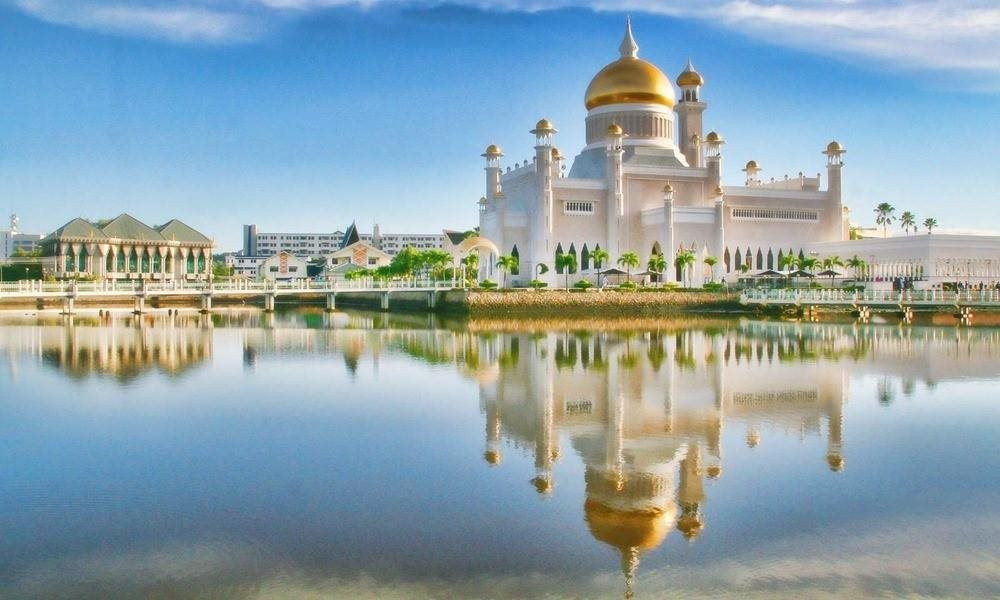
The capital of Brunei is Bandar Seri Begawan, a city located along the Brunei River. Bandar Seri Begawan is the political, economic, and cultural center of the country. The city is famous for many impressive architectural works such as the Istana Nurul Iman Royal Palace – the residence of the Sultan of Brunei, and the Sultan Omar Ali Saifuddien Mosque – a religious and cultural symbol of the nation. With its beauty that blends tradition and modernity, Bandar Seri Begawan is not only the heart of Brunei but also a destination that attracts tourists from all over the world.
Geographical Location of Brunei
Brunei is located on the island of Borneo, one of the largest islands in the world, in Southeast Asia. The country borders only Malaysia to the south and southeast, while its northern side faces the South China Sea. Brunei is a small country, covering an area of approximately 5,765 km², but holds an important strategic position in the region.
Brunei's terrain is primarily tropical rainforest and relatively flat land, with some low hills. The majority of the population and economic activities are concentrated in the northern coastal region, where the capital Bandar Seri Begawan and other major urban centers are located.
Brunei is also known for its nature reserves and diverse ecosystems, with mangrove forests, tropical rainforests, and rivers flowing through the country, contributing to a rich habitat for many species of flora and fauna.
What Is the Main Language of Brunei?
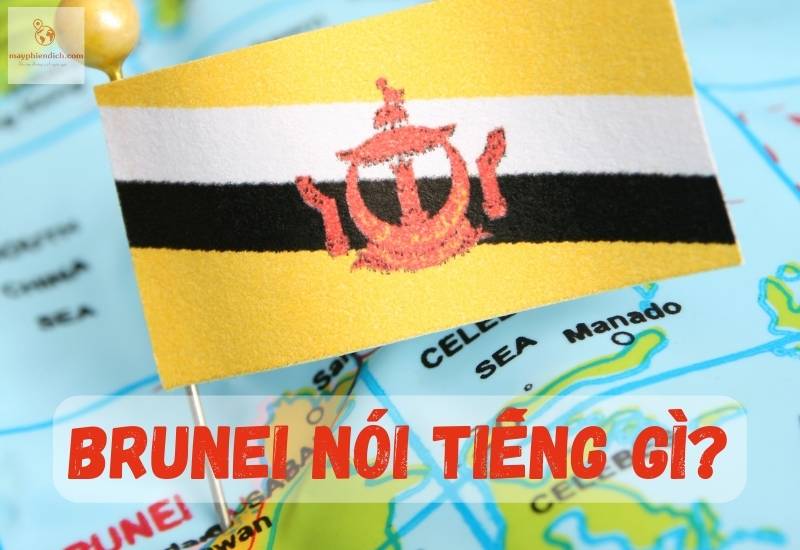
The official language of Brunei is Malay (Bahasa Melayu), which is widely used in daily life, education, and political and economic activities. English is also commonly used, especially in business, education, and government sectors, as Brunei was once a British protectorate and maintains close ties with English-speaking countries. Additionally, some indigenous languages and Chinese are spoken by minority communities in the country.
Population of Brunei
Brunei has a population of approximately 450,000 people, making it one of the smallest countries in the world by population. The majority of the population is concentrated in the capital, Bandar Seri Begawan, and its surrounding urban areas. Despite its small population, Brunei boasts a strong economy thanks to its oil and gas resources, and the country enjoys a high standard of living with numerous social benefits for its citizens.
Brunei's population is diverse ethnically and culturally. Malays constitute about 67% of the population and are the main ethnic group, followed by minority communities such as Chinese (about 10%), and other indigenous ethnic groups. Islam is the official religion of the state and is practiced by the majority of the population, with a smaller number adhering to other religions such as Buddhism, Christianity, and indigenous beliefs.
What Is Brunei's Culture Like?
Brunei's culture is strongly influenced by Islam, the country's official religion. Islam is not only a religion but also the cultural and legal foundation of Brunei, deeply impacting all aspects of life from dress codes, festivals, to social organization. Islamic festivals such as Hari Raya Aidilfitri (marking the end of Ramadan fasting) and Hari Raya Haji (the Feast of Sacrifice) are major events, widely and vibrantly celebrated throughout the country.
Furthermore, Brunei also has a diverse culture with influences from Malay, Indian, Chinese, and indigenous cultures. Traditional arts such as music, folk dance, and handicrafts are preserved and developed. Brunei is known for traditional art forms like Zapin dance and exquisite handicrafts such as hand-woven fabric (kain tenunan).
How Is Brunei's Economy?
Brunei's economy relies primarily on the export of crude oil and natural gas, which account for the majority of its GDP and national revenue. Thanks to these abundant natural resources, Brunei is one of the countries with the highest per capita income in the world and boasts a very high standard of living. The Bruneian government has used oil revenues to invest in infrastructure, social welfare, healthcare, and education, ensuring a high quality of life for its citizens.
However, recognizing its excessive reliance on oil, Brunei has begun implementing economic diversification strategies, promoting other sectors such as finance, tourism, information technology, and agriculture. The country is also investing in renewable energy projects and sustainable development to reduce its dependence on fossil fuels in the future.
Brunei's Development Prospects
With abundant natural resources and political stability, Brunei has positive economic development prospects for the future. However, economic diversification is one of the major challenges facing the nation. The Brunei government is actively promoting sustainable development initiatives, improving infrastructure and education to prepare for a future less dependent on oil.
In addition, Brunei is also striving to develop its tourism industry, emphasizing the country's cultural values, Islamic heritage, and beautiful nature. With a combination of natural resources, rich culture, and sustainable development strategies, Brunei is gradually asserting its position in Southeast Asia and worldwide.
Khi đến Brunei , to stay connected everywhere, contact Sahaha, a reputable provider of SIM cards and Wi-Fi rental services. Sahaha is committed to providing you with a fast, stable, and easy-to-use network experience as soon as you set foot in Brunei.
👍Hotline: 038.600.2002t
Address:368 Lang Street, Hanoi
194 Cong Hoa, Ward 12, Tan Binh District
Delivery within 1h and free shipping, pay after receiving the goods
Besides buying online at the websitewww.mayphiendich.net and buying via the hotline:0386.001.001 - 0386.002.002. You can also visit to experience directly and purchase products at 2 SHOWROOM systems
SHOWROOM SYSTEM IN HANOI
Vietnam Telecommunications Company - Hanoi Branch
Address: No. 226 Lang Street, Dong Da, Hanoi(Near Nga Tu So Intersection) - View map Email:[email protected] Working hours: 7:00am – 21:00pm (All days of the week)
SHOWROOM SYSTEM IN HO CHI MINH CITY
Vietnam Telecommunications Company Ho Chi Minh Branch
Address:No. 137 Hoa Hung Street, Ward 12, District 10 (Near Dan Chu Roundabout) -View map Email:[email protected] Working hours: 8:00am – 20h30 pm(Monday to Saturday)

 English
  Tiếng Việt