
 English
  Tiếng Việt
 I. What language do Koreans speak?
Hàn Quốc, một quốc gia nổi bật với nền văn hóa độc đáo và sự phát triển vượt bậc về kinh tế, có ngôn ngữ chính thức là Korean language (Hangul). Tiếng Hàn là ngôn ngữ chính và được sử dụng bởi toàn bộ dân số, từ những thành phố lớn như Seoul, Busan đến các vùng nông thôn xa xôi.
Korean Language (Hangul) - The Official Language
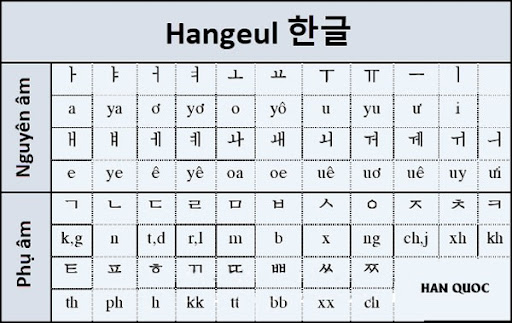
Hangul was invented in the 15th century under King Sejong the Great
- Korean là một ngôn ngữ có lịch sử phát triển lâu đời, với một hệ thống chữ viết độc đáo và riêng biệt gọi là Hangul.
- Hangul was invented in the 15th century under King Sejong the Great, aiming to create a simple, easy-to-learn writing system that everyone could access and use.
- Hangul revolutionized written language in Korea, making it more widespread and accessible to all social classes.
- Today, Hangul is not only a symbol of Korean cultural identity but is also recognized as one of the most scientific and effective writing systems in the world.
This video will help you practice speaking very effectively and you must watch it
If you are planning a trip to Korea, don't forget:
➝ Translator device tiếng Hàn – Hỗ trợ giao tiếp trôi chảy, giúp bạn tự tin nói chuyện.
➝ Travel power adapter Hàn Quốc – Easily connect devices with compatible plug standards.
➝ Korean SIM Card – Browse the web, make calls, and share moments anytime, anywhere.
II. Other Korean Dialects
1. Seoul Dialect (Pyojuneo)

The Seoul dialect, also known as Standard Korean, originated in the area around Seoul, the capital of South Korea.
- For centuries, the Seoul dialect gradually became the standard language.
- The standardization of Korean in the 20th century also contributed to shaping the Seoul dialect into Standard Korean, used in education and media nationwide.
- The Seoul dialect is the standard language taught in schools and used in media, press, and government.
- It plays a crucial role in unifying the language nationwide, helping people from different regions communicate easily with each other.
- With the development of technology and media, the Seoul dialect has become increasingly popular, especially among young people and urban classes.
This is a video that will help you learn Korean effectively and should not be missed.
2. Jeju Dialect
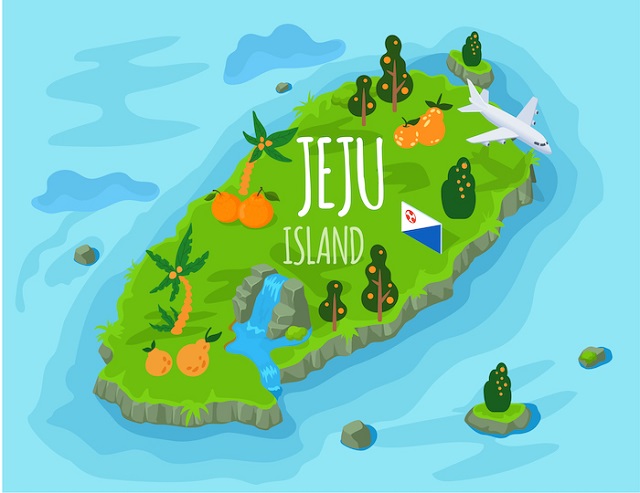
- Due to geographical isolation, the Jeju dialect developed independently and has many differences compared to other dialects in South Korea.
- The Jeju dialect originated from Old Korean, but over centuries, it developed distinct grammatical and lexical features, sometimes making it difficult for Standard Korean speakers to understand.
- Only a few elderly people on the island use this dialect daily.
- However, the Jeju dialect remains an important part of the local cultural heritage.
- There are efforts from the community and government to preserve this dialect, including educational programs and cultural activities aimed at maintaining Jeju's unique linguistic identity.
Korean is the official and most important language in South Korea, playing an indispensable role in maintaining and developing the country's culture and society. Besides Korean, local dialects also contribute to South Korea's linguistic and cultural diversity, enriching the nation's cultural tapestry.