
 English
  Tiếng Việt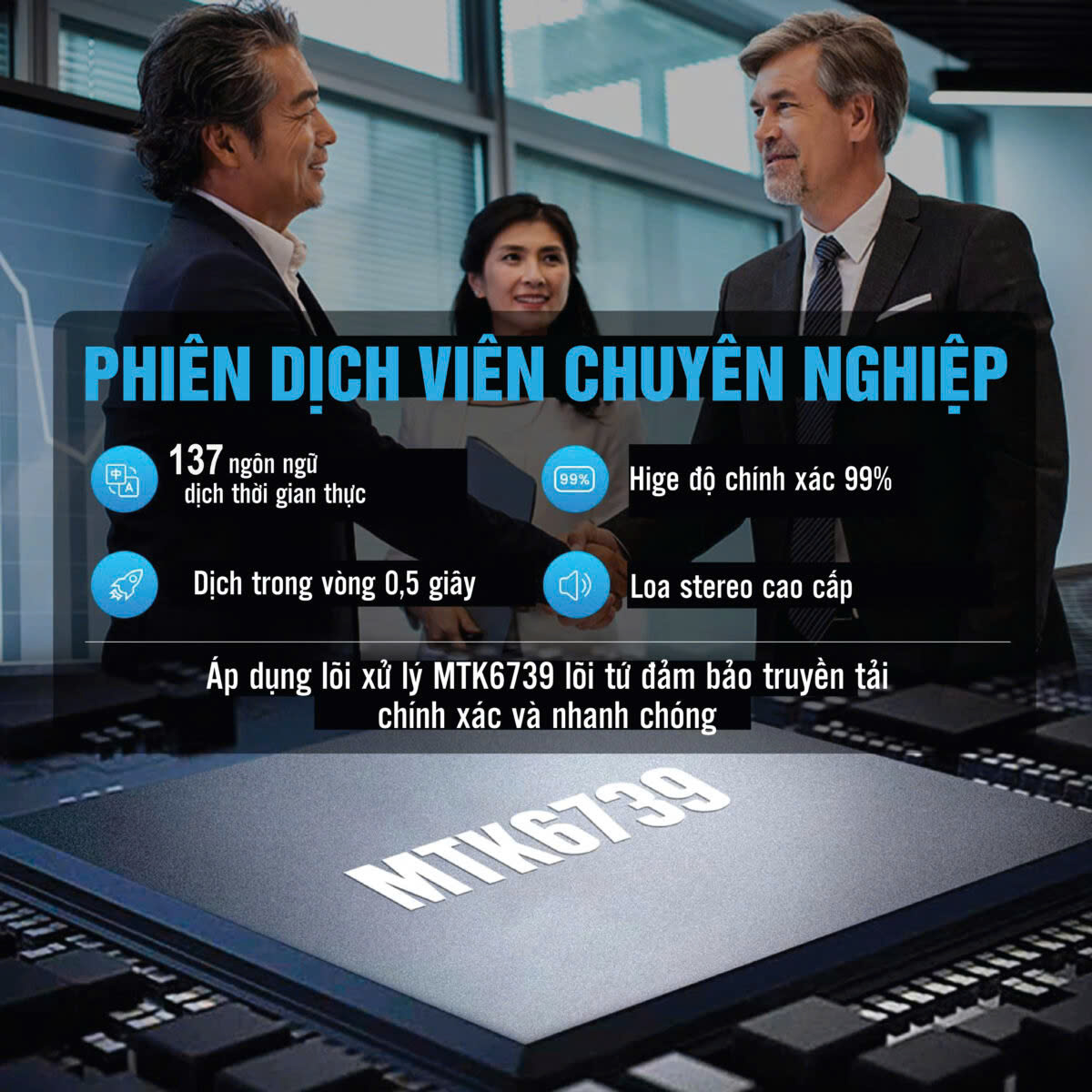
In the era of technology 4.0, the increasing demand for international communication has made the role of language more important than ever. Many businesses and individuals question: “Should you use a translation machine or hire a professional translator?” This article will compare in detail the performance and benefits of these two options, helping you make the right decision.
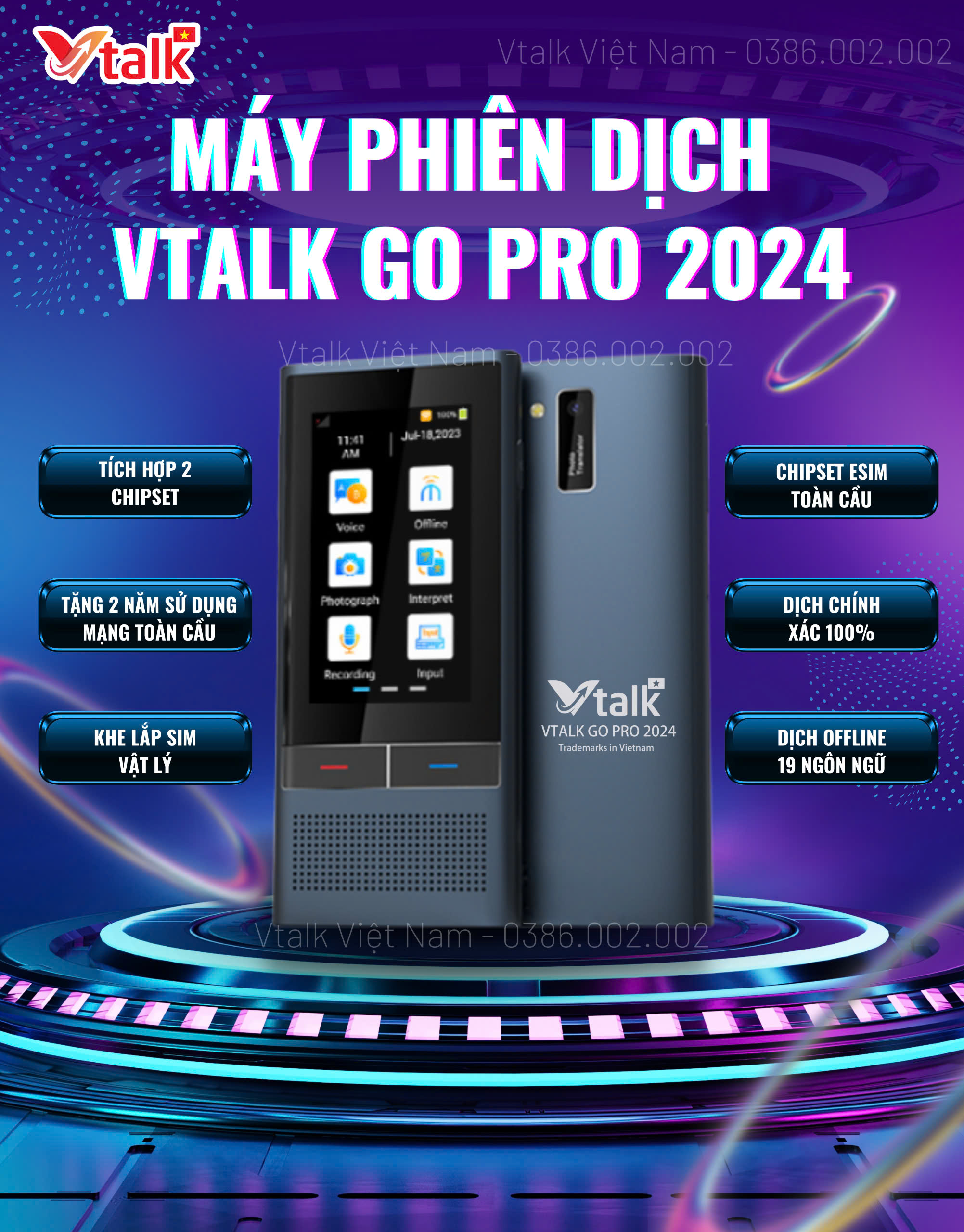
VTALK GO PRO the best choice that can replace an interpreter
1. Performance: Translation Machine Versus Interpreter
Processing speed
-
Translation machine: Translation machines, such as Google Translate or handheld devices like Pocketalk, provide instant results. They are suitable for simple and quick conversations.
-
Interpreter: Interpreters may need a short time to understand the context and provide the most accurate translation. However, for complex meetings, an interpreter's processing speed might be superior due to the large volume of information.
Accuracy
-
Translation machine: Machines often have difficulty understanding the correct context, especially in cases of specialized language, slang, or culturally nuanced expressions.
-
Interpreter: Interpreters can assess and effectively convey the meaning of words, stories, and emotions, helping to ensure that every communication proceeds smoothly.
2. Benefits of Translation Machines
- Reasonable cost:Translation machines are a cost-effective option for those who do not wish to make a long-term investment. After purchasing the device, you do not have to pay additional hourly fees like with an interpreter.
- High flexibility: With their compact size, translation machines are suitable for people who travel frequently, tourists, or for simple meetings.
- No language limitations: Some translation devices can handle dozens of languages, ensuring communication wherever you go.
3. Benefits of a Human Translator
- Flexible interaction: Translators don't just convert languages; they can also respond quickly to unexpected communication situations.
- Industry-specific accuracy: In fields such as healthcare, law, and engineering, translators can meet high accuracy requirements.
- Understanding language and culture: They provide context and interpret cultural nuances correctly, ensuring the most effective communication outcomes.
4. Specific Comparison
| Criteria | Translation Device | Human Translator |
|---|---|---|
| Cost | Low, one-time cost | High, hourly or project-based cost |
| Accuracy | Fair, but limited in specialized language | High, especially in specialized fields |
| Flexibility | Tall, compact, easy to carry | Medium, depends on the person |
| Human interaction | No, one-way | Yes, flexible |
| Specialized capabilities | Limited | High |
5. Which Option Is Best?
When should you choose a translation device?
-
Travel or short-term communication.
-
Limited budget.
-
Simple needs, no specialized accuracy required.
When should you choose an interpreter?
-
Professional communication or important events.
-
Specialized fields such as medicine, law, or engineering.
-
Want to increase reliability and communication effectiveness.
Conclusion
Each option has its strengths and limitations. If you are looking for a cost-effective and quick solution, a translation device is a suitable choice. However, for situations requiring high accuracy and specialized knowledge, a professional interpreter will help you achieve the desired results.