
 English
  Tiếng Việt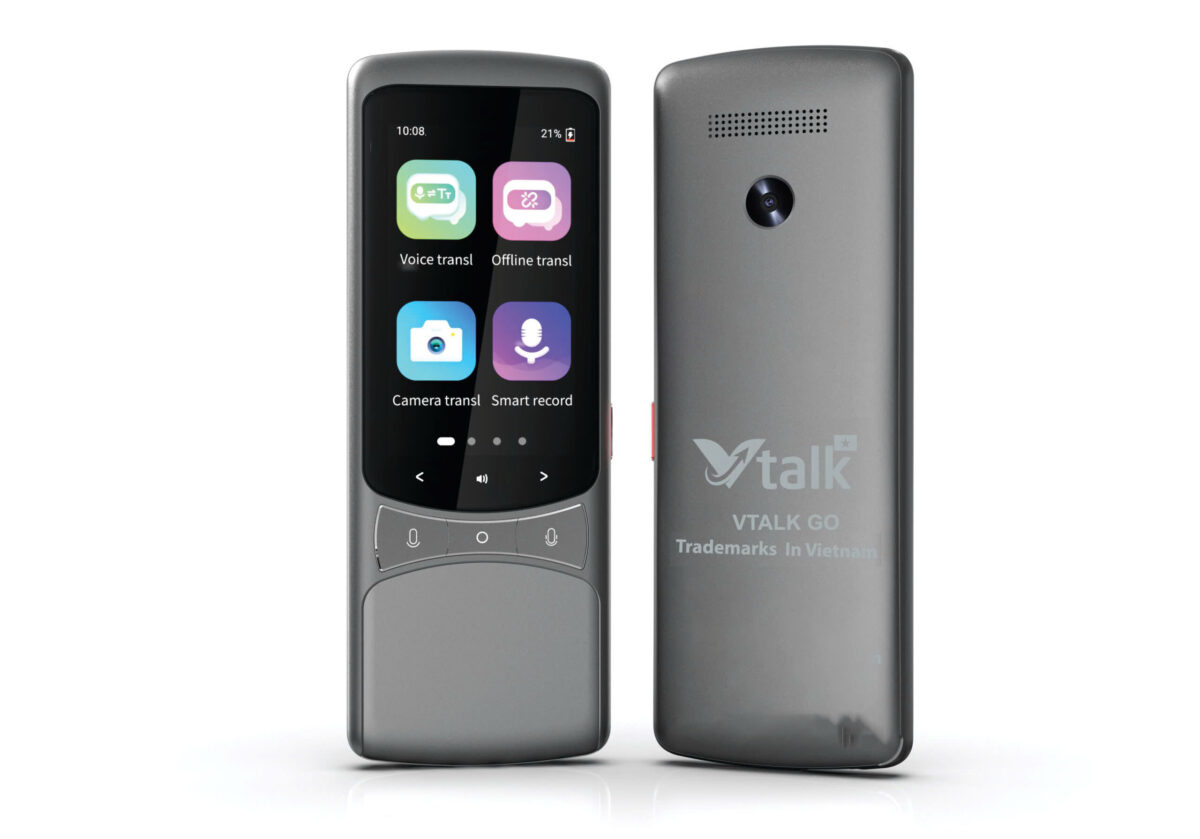
In the era of 4.0 technology, international communication is becoming more important than ever. However, language barriers have always been a major challenge. Translation machines have emerged as an advanced solution, providing easy and fast communication between people with different languages. In this article, we will learn in detail about translation machines, their operating principles, and practical applications in life.

What is a Translation Machine?
A translation machine is a device or software designed to automatically convert one language to another. This product uses AI technologies, natural language processing (NLP), and machine learning to achieve high accuracy in the translation process.
Essentially, translation machines include two main types:
- Hardware translation machines: Compact, portable, and standalone devices.
- Translation software: Installed on phones or computers.
Operating Principles of Translation Machines
Translation machines operate based on the following steps:
- Data acquisition: The device records voice or text in the source language.
- Language processing: NLP algorithms analyze utterances, grammar, and semantics.
- Translation: The system automatically converts the source language to the target language.
- Presentation: The translation result is displayed via text, voice, or both.
Benefits of Translation Machines
- TSave time: Translator devices operate instantly, facilitating communication without waiting.
- Increase communication efficiency: Helps break down language barriers in meetings and transactions.
- Versatility: Supports multiple languages, suitable for travel, study, and work.
- Reasonable cost: Compared to hiring a professional interpreter, translator devices are often more economical.
Practical Applications
In Travel
Tourists can easily communicate with locals, book hotel rooms, or get directions quickly..
In Study
Students can use translator devices to learn foreign languages or understand materials more accurately.
In Business
In international meetings and transactions, translator devices provide simultaneous support, enhancing the efficiency of information exchange.
In Healthcare
Helps doctors communicate with foreign patients or translate specialized documents quickly.
The Future of Translator Devices
With the development of AI and cloud technology, translator devices will become increasingly accurate and integrate more features. In the future, there may be translation models that can even learn languages like humans.
Conclusion
Translation machines are tools that help bridge language gaps in the world. Although they still have certain limitations, they are an important step forward in enhancing international communication and understanding. As technology continues to develop, translation machines will be reliable companions on all business trips, studies, and in daily life.