
 English
  Tiếng Việt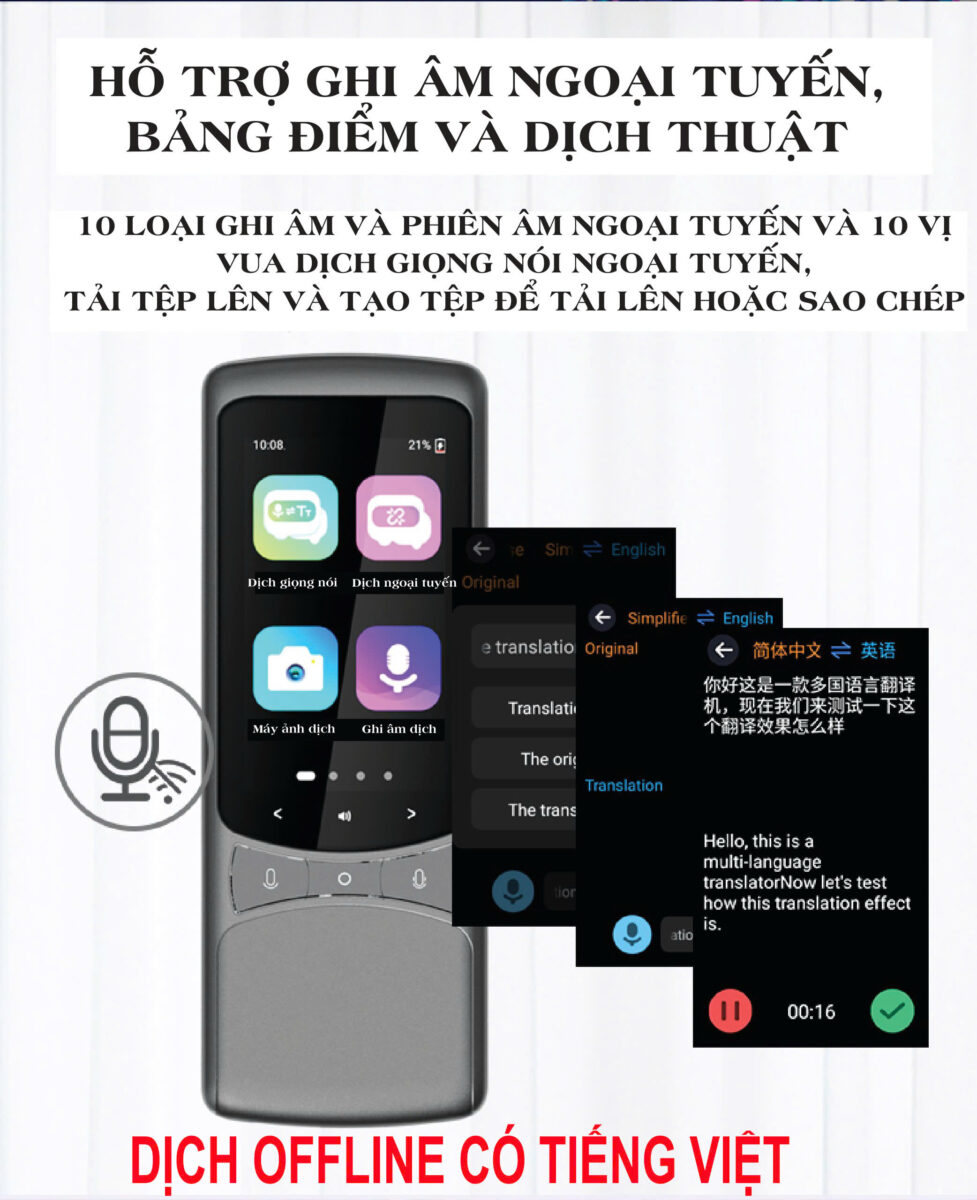
Smart translation devices are increasingly becoming useful tools for communication and learning new languages. However, few people know that speech processing technology is the key factor that helps translation devices achieve high accuracy and efficiency. In this article, we will explore the secrets behind speech processing technology and how it helps translation devices become smart and easy to use.

VTALK GO PRO 2024 – the smartest translator machine
1. What is Speech Processing Technology?
Speech Processing Technology is a field in computer science and electrical engineering, specializing in researching and developing methods for recognizing, analyzing, and processing sound or speech. In the field of translation devices, this technology is applied to convert spoken audio into text, then translate it into another language.
Speech processing technology can include many different steps, from speech recognition, intonation analysis, to determining context and converting it into meaningful text in the target language. Thanks to this technology, translation devices can understand what the speaker wants to convey and translate it accurately and quickly.
2. Key Components of Speech Processing Technology
Speech processing technology in translation devices includes several important components, each with a distinct role to ensure effective speech recognition and translation:
Speech Recognition
This is the first step in the speech processing process. Translation devices use speech recognition software to convert audio into text. This software must be able to recognize words in diverse environments with various noises and voices. Speech recognition technology uses machine learning models to identify words and sentence structures, helping the device understand the speaker's intent.
Contextual Analysis
After speech is converted to text, the translation device will continue to analyze the context to determine the precise meaning of words in the sentence. This is very important, especially in contexts with many synonyms or complex sentence structures. The translation device must understand the context to translate accurately, avoiding confusion.
Speech Signal Processing
Speech signal processing technology helps translation devices recognize and analyze speech audio from electrical signals. Speech signals often have characteristics such as pitch, timbre, and rhythm, so speech signal processing helps the translation device recognize speech better, even with ambient noise.
Machine Translation
Once text is generated from speech, Machine Translation technology helps translate the text from the source language to the target language. Current translation devices use advanced machine translation models, such as Neural Machine Translation (NMT) models, to translate text accurately and naturally.
3. Speech Recognition Technology: The Decisive Factor for Smart Translation Devices
Speech recognition technology is the critical foundation that enables translation devices to operate. Here are some important factors that help speech recognition technology become accurate and effective in smart translation devices:
Deep Learning Applications
Modern speech recognition systems use deep learning technology to improve speech recognition capabilities. Thanks to deep neural networks, the system can learn from large voice data and automatically improve accuracy over time. This helps translation machines recognize speech in various situations, from different voices to diverse intonations and timbres.
Noise Reduction
One of the biggest challenges for speech recognition technology is background noise. To solve this problem, speech recognition systems use signal processing algorithms to minimize noise, ensuring that only the speaker's voice is recognized. This is very important in noisy environments such as classrooms, meeting rooms, or when traveling.
Emotion Recognition
Some smart translation devices not only recognize speech but also analyze the speaker's emotions through their tone of voice. Emotion analysis technology helps translation devices understand the emotions hidden behind the words, thereby improving contextual translation capabilities and creating more natural translations. This is especially useful when translating emotionally charged conversations, such as during important meetings or discussions.
4. Applications of Voice Processing Technology in Translation Devices
Voice processing technology not only helps translation devices translate accurately but also offers many other useful applications:
Real-time Voice Translation
One of the most popular applications of voice processing technology is real-time language translation. Translation devices use speech recognition and machine translation technology to help users communicate directly with each other without language barriers. This is extremely useful in international conferences, travel, and cross-border communication.
Enhanced Language Learning
Translation devices can help learners improve their listening and speaking skills. Listening and speaking directly with a translation device helps learners get used to the intonations and pronunciations of the target language, while also improving their comprehension and communication abilities.
Creating Smart Services
Voice processing technology in translation devices also helps create other smart services, such as virtual assistants, allowing users to interact with devices via voice. Translation devices can be combined with virtual assistants to provide additional information and services, creating a smarter and more convenient ecosystem for users.
5. Conclusion
Voice processing technology is a crucial factor that helps smart translation devices operate effectively and accurately. Thanks to advanced technologies such as deep learning, noise reduction, and emotion analysis, translation devices can recognize speech and translate languages naturally and accurately. With the continuous development of technology, translation devices will become increasingly powerful, making communication between languages easier and more convenient than ever before.