
 English
  Tiếng Việt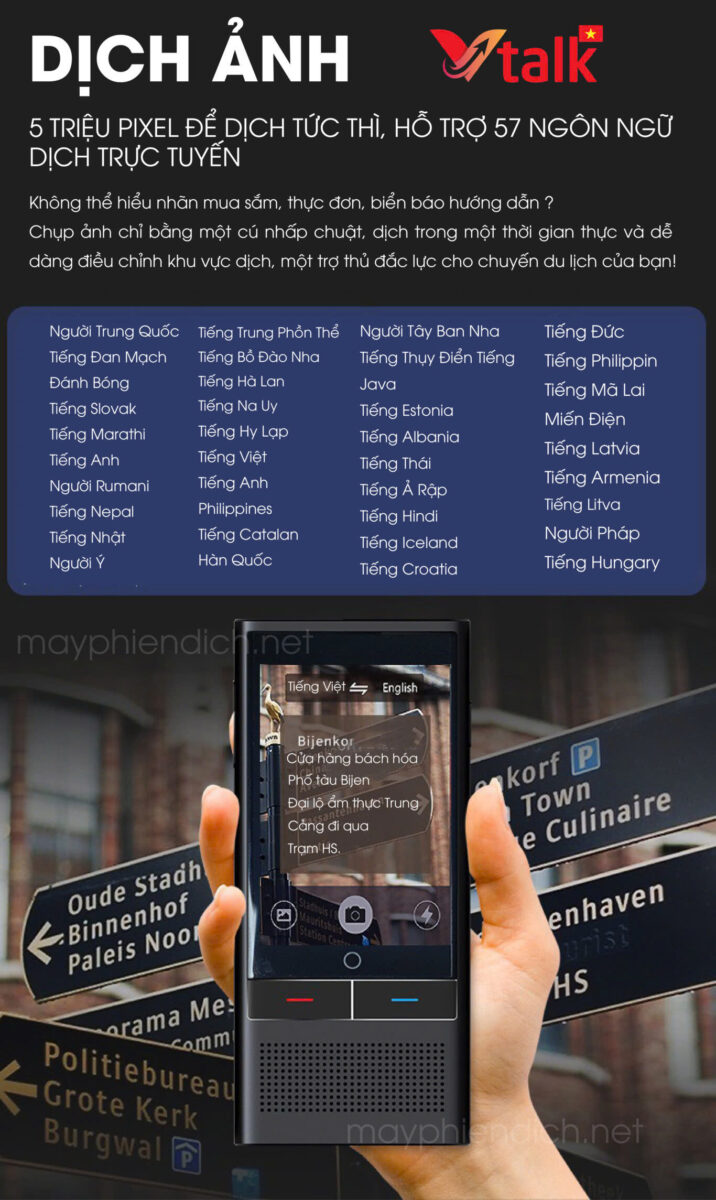
In the era of globalization, learning and teaching a new language is no longer uncommon. However, a major challenge for educational institutions is how to serve students from various countries with different languages. Translation devices have become an important tool to make classrooms easier and more effective, especially in multilingual learning environments. This article will explore the role of translation devices in education and how they are changing the way teaching and learning are conducted.
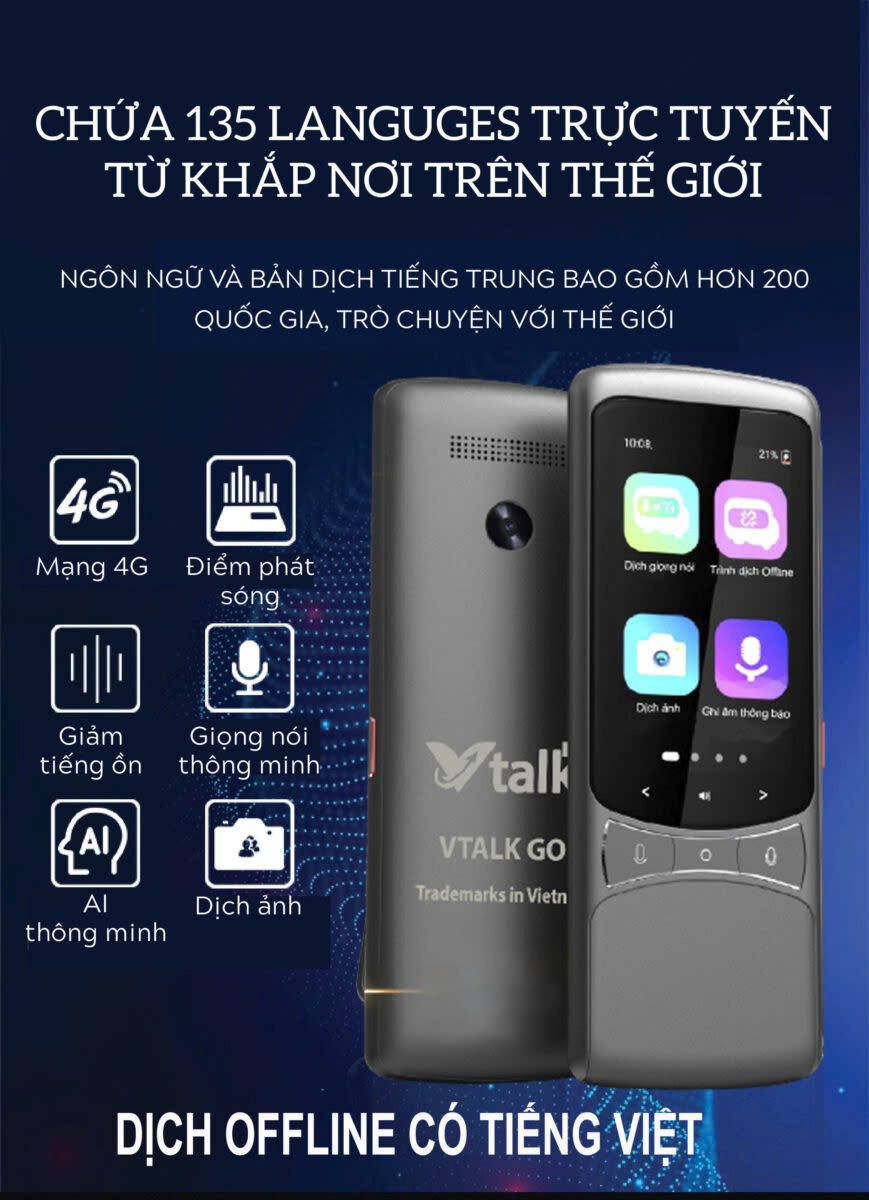
VTALK GO – the top choice for learning foreign languages
1. Why Are Translation Devices Important in Education?
Multilingual classrooms are not a new concept, but the development of technology and increasingly strong global connectivity have made this need more urgent. Translation devices play a crucial role in helping teachers and students overcome language barriers. Here are some reasons why translation devices are important in education:
- Supporting international students: With the increasing number of international students, the use of translation devices helps these students easily access lectures without being limited by language.
- Helping teachers teach more effectively: Teachers can use translation devices to communicate with students from different countries without worrying about language proficiency.
- Enhancing learning ability: Translation devices allow students to immediately understand lecture content, helping them absorb lessons better and participate actively in class.
2. Benefits of Translation Devices in Multilingual Classrooms
Translation devices simplify learning in multilingual environments and offer numerous benefits for both teachers and students. Here are some important benefits:
Creating an Expanded Multilingual Learning Environment
With translation devices, classrooms can include students from various countries without language limitations. Students with different language proficiencies can still clearly understand lectures and participate in discussions like native speakers. This creates a more diverse and inclusive learning environment.
Enhancing Communication Between Teachers and Students
Translation devices help teachers communicate more easily with international students, regardless of their native language. This enables teachers to teach more effectively and helps students feel comfortable while learning, no longer feeling lost due to not understanding the language of instruction.
Reducing Stress and Difficulties in Learning
Translation devices help reduce stress for students who are not proficient in the language of instruction. Instantly translating difficult terms or questions in class helps students quickly grasp knowledge without worrying about language.
Creating Opportunities to Learn in the Target Language
Translation devices not only help students understand lessons but also help them improve their target language proficiency. When using translation devices, students will have the opportunity to interact with the new language in a natural environment and can learn from real-life situations.
3. Features of Translation Devices Supporting Multilingual Classrooms
Translation devices not only have the ability to translate languages but also integrate many smart features to support teaching and learning. Below are some outstanding features of translation devices in education:
Speech and Text Translation
Some modern translation devices can translate not only text but also have the ability to recognize and translate speech. This is extremely useful in the classroom, helping teachers and students communicate fluently and naturally..
Multi-Language Support
Translation devices in education need to support many different languages to serve international students. Current translation devices can support more than 50 languages, allowing students and teachers to communicate effectively, regardless of their native language.
Integration with Educational Applications
Some translation devices are also integrated with learning applications, allowing students to translate text or learning materials right in the classroom. This helps students quickly look up and understand content without having to stop to search.
Recording and Storage
A useful feature of translation devices is the ability to record and store conversations. This helps students listen to lectures or discussions after class, helping to reinforce knowledge and understand lessons better.
4. Challenges When Using Translation Devices in Education
Despite bringing many benefits, the use of translation devices in education also faces some challenges that need to be addressed:
Accuracy of Translation Devices
Translation devices can sometimes have difficulty translating the correct context, especially with specialized terms or in complex communication situations. Therefore, teachers and students need to carefully check the translation to ensure accuracy.
Requires Device Usage Skills
To fully utilize the capabilities of a translation device, teachers and students need to be proficient in using this device. Training on how to use a translation device can take time and effort.
Reliance on Technology
Translation devices rely on technology and internet connection, so when there is a network or software problem, teaching and learning can be interrupted. Therefore, backup solutions are needed when using translation devices.
5. Conclusion
Translation devices have become an indispensable tool in multilingual classrooms, bringing convenience and efficiency to teachers and students. With the ability to help overcome language barriers, translation devices not only support communication but also create a more diverse and inclusive learning environment. Although some challenges still exist, with the continuous development of technology, translation devices in education will become increasingly sophisticated and become powerful assistants for teachers and students in building effective and inclusive international classrooms.